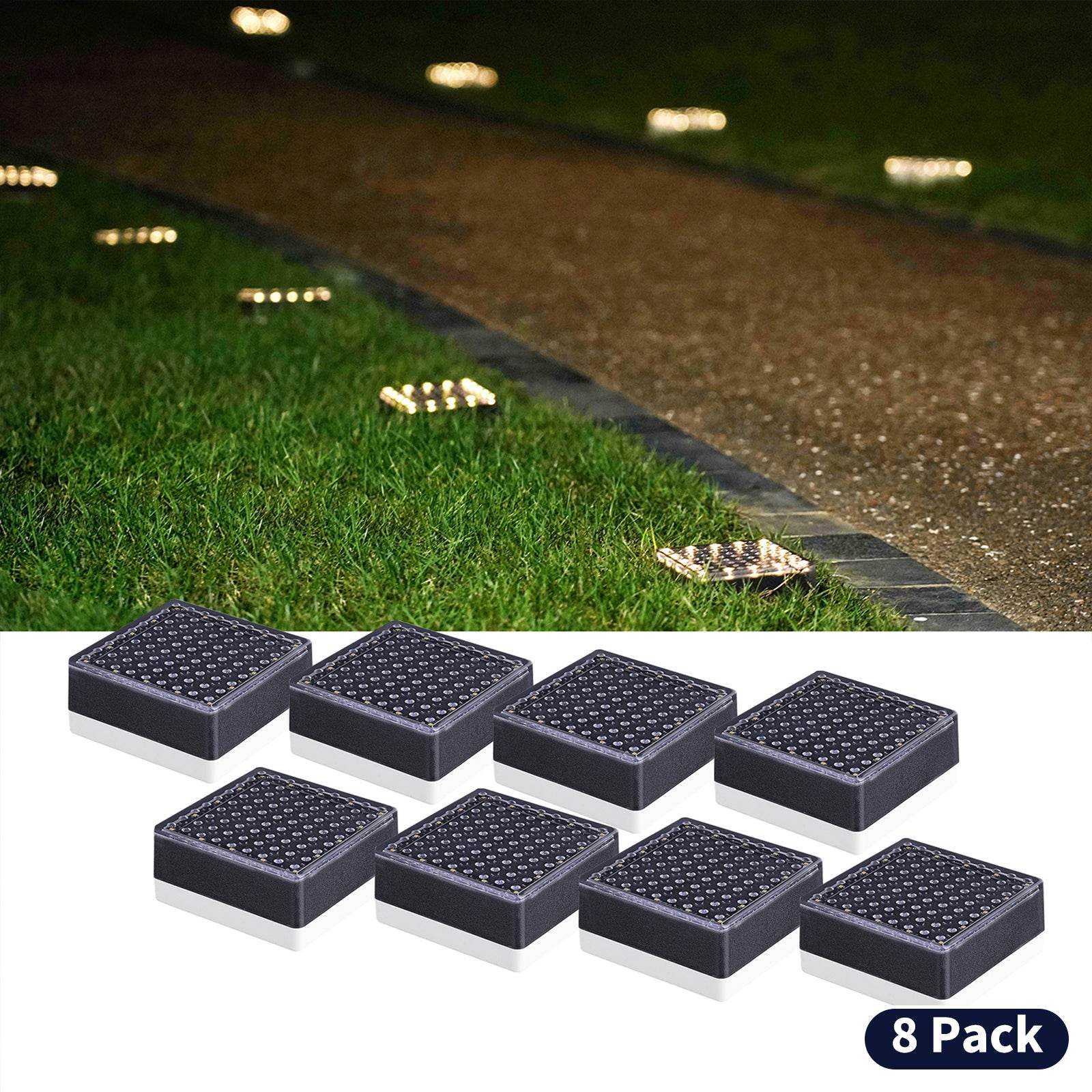
Should Solar Lights be on the Side Wall or under the Tread if There's no Riser?
SHONE If you want your outdoor solar step lights to work well, you need to think about why placement matters. You get the best safety and visibility when you put lights where people can see each step clearly. Sunlight exposure plays a big role, since studies show these lights work longer and need less maintenance when they get good light—even indirect sunlight helps. You also care about how the lights look and how easy they are to install.
Solar step lights use the sun’s energy, so you help the environment every time you light your stairs.
Key Takeaways
- Put solar lights on the edge of each step. This helps people see better and stay safe.
- Make sure the lights get 6 to 8 hours of sun every day. This keeps them bright at night.
- You can put lights on the side wall for even light. This also helps stop people from tripping.
- Clean the solar panels often. This helps them charge better and last longer.
- Think about where you put each light. This stops dark spots and makes the path bright and friendly.
Why Placement Matters?

Safety & Visibility
You want your stairs to be safe at night. Good lighting helps you see each step, so you know where to walk. When you put solar lights near the edge of each step, you can spot where the step begins and ends. This makes it easier to avoid trips and slips, even when it rains or snows. If you have uneven spots or changes in height, adding extra lights can help you see those hazards before you step on them. Well-lit stairs also make your home feel safer and more welcoming. Sometimes, lights even keep away unwanted visitors and encourage neighbors to walk around in the evening.
- Lights at the edge of steps show where to step.
- Extra lights in tricky spots help prevent accidents.
- Bright stairs make your home look lived-in and safe.
Sunlight Exposure
Solar step lights need sunlight to work. Most lights need about 6 to 8 hours of direct sunlight each day to charge fully. If you put your lights in a shady spot, they might not shine as long at night. You should look for places that get the most sun during the day. Avoid putting lights under thick trees or behind big objects that block the sun. When you choose the right spot, your lights will stay bright and last longer.
Tip: Check your stairs at different times of day to see where the sun hits best.
Aesthetics
The way you arrange your lights changes how your stairs look. Good placement and spacing make your steps look neat and bright. Try to put lights where they shine directly on each step, so you do not get dark spots or shadows. Many people like to place lights every 6 to 8 feet or at each step, depending on how bright the lights are. Lower lights feel cozy and inviting, while higher lights cover more area. If you match your step lights with other garden lights, your whole yard will look put together and beautiful at night.
- Evenly spaced lights create a smooth, welcoming path.
- Matching step lights with garden lights gives your yard a finished look.
- Motion sensors can make lights brighter when someone walks by, adding both style and safety.
Ideal Placement for Solar Lights
 Choosing the ideal placement for solar lights on stairs without risers can make a big difference in how safe and welcoming your home feels. You want to see each step clearly, avoid tripping, and get the most out of your solar step lights. Let’s look at the main options and see what works best for your outdoor lighting needs.
Side Wall Option
Mounting solar step lights on the side wall is a popular choice. You can place the lights about 4 to 6 inches above each tread. This height helps reduce glare and shadows, making each step stand out. When you use the side wall, you also keep the pathway clear, so nothing sticks out where you walk.
- You get consistent coverage when you space the lights every 2–3 steps or every 3–4 feet.
- Side wall placement works well for stairs that run along a fence or house wall.
- This option helps you avoid dark patches that can mess with your depth perception.
If you want to boost safety, you can add motion sensors or timers. These features turn the lights on when someone walks by, so you never have to worry about forgetting to switch them on. Side wall mounting also keeps the solar panels exposed to sunlight, which improves efficiency and performance. Rain can even help by cleaning the panels, so you get a brighter glow at night.
Tip: Sketch your staircase and mark where you want each light. Planning ahead helps you get even spacing and the best results.
Under Tread Option
Some people like to put solar step lights under the tread. This can look modern and stylish, but it comes with a few challenges. Without a riser, the light may not shine directly on the step, which can leave some areas dim. You might notice that the brightness is lower, especially if your stairs do not get much sunlight during the day.
- Under tread lights can struggle to charge if they sit in the shade or get blocked by feet.
- You may see more shadows, which can make it harder to spot each step.
- In areas with low sunlight, these lights might not give enough visibility for safe walking.
If you choose this option, make sure your lights are weatherproof and rated for outdoor use. Solar step lights need at least 6 hours of sunlight to work well, but cloudy days or winter weather can reduce charging efficiency. You may need to move the lights or clean the panels more often to keep them working their best.
Edge Placement
Edge placement means putting solar step lights right at the front edge of each step. This spot gives you the best view of where each step begins and ends. You can see the pathway clearly, which helps prevent trips and falls. Edge placement works well for stairs without risers because the light shines down and forward, lighting up the whole step and the next one below.
- You get increased safety because the lights show every tripping hazard.
- The glow from the edge makes your stairs look modern and inviting.
- This method works great with pathway lights, creating a smooth transition from your steps to the rest of your yard.
When you use edge placement, make sure the solar panels get enough sunlight. You may need to adjust the angle or move the lights during different seasons. Rain can help by washing away dust, but snow or lots of cloudy days can lower performance. If you want the best results, pick outdoor solar step lights with a waterproof rating of IP65 or higher.
Note: Consistent spacing is key. Place a light every 2–3 steps or every 3–4 feet to avoid dark spots and keep your pathway safe.
Which Option Is Best?
If you want the best combination of safety, visibility, and efficiency, edge placement usually wins. You see each step clearly, and you avoid tripping hazards. Side wall mounting is a close second, especially if your stairs run along a wall. Under tread lights can look cool, but they may not give you enough light unless your stairs get lots of sun.
No matter which option you choose, plan your layout, check your sunlight, and use weatherproof lights. Your stairs will glow every night, and you’ll enjoy a safer, brighter pathway.
Outdoor Solar Step Lights: Pros & Cons

Side Wall Pros & Cons
You might like mounting solar step lights on the side wall because it keeps your steps clear. This placement gives you a clean look and helps you avoid tripping over fixtures. You can also get good sunlight exposure, which boosts the performance and efficiency of your solar lights. When you put lights on the wall, you make it easier to see each step at night.
Solar deck step lights are designed to illuminate high-traffic areas, making it safer to navigate stairs in the dark, thus enhancing safety and convenience.
Pros:
- You get strong visibility for each step.
- The solar panels often get more sunlight, so your lights stay bright.
- You keep the pathway open and safe.
- Side wall lights add a modern touch to your outdoor lighting.
Cons:
- You need a wall or fence next to your stairs.
- Sometimes, you see shadows if the wall is uneven.
- Installation may take longer if you have to drill into brick or stone.
Under Tread Pros & Cons
Placing solar step lights under the tread can look stylish. You get a soft glow that highlights each step. This method works well if you want a hidden light source. However, you need to think about how much sunlight the solar panels get. If your steps block the sun, your lights may not charge well.
- The materials used for tread lighting should be durable to withstand high foot traffic, which is essential for longevity.
- Fixtures made from high-quality metals or durable plastics are recommended for their resistance to impacts and corrosion.
- Easy access to components for maintenance is crucial to ensure quick repairs and replacements, thereby reducing maintenance needs.
Pros:
- You get a cool, modern look for your steps.
- The lights stay out of the way, so you do not trip.
- The glow spreads across the step and pathway.
Cons:
- Solar panels may not get enough sunlight, which lowers efficiency.
- You might need to clean the lights more often.
- Maintenance can be tricky if you cannot reach the lights easily.
- Some lights may not last as long if they are not made from tough materials.
If you want the best results, match your solar step lights with pathway lights. This creates a smooth, bright path and boosts safety for everyone.
Installation Tips

Choosing Solar Step Lights
You want your outdoor solar step lights to last and shine bright every night. Pick solar step lights that are made for outdoor use. Look for weatherproof ratings like IP65, so rain or snow will not hurt them. Choose lights with strong solar panels and batteries. This boosts performance and keeps your steps safe. Make sure the lights match your outdoor lighting style and fit the size of your steps. Some solar step lights come with motion sensors or adjustable brightness. These features help you save energy and improve visibility.
Tip: Check your local building codes before you install. Many places require a certain amount of light on each step for safety.
Mounting & Angling
Mounting your solar step lights the right way makes a big difference. Place the lights where they get full sun for at least six to eight hours each day. Angle the solar panels toward the sun to improve charging efficiency. You can install the lights at a height of two to three feet to avoid shadows from plants or railings. Watch how the sun moves across your steps during the year. You may need to adjust the angle or position of your solar step lights as the seasons change. This keeps your lights glowing and your pathway safe.
- Angle solar panels toward the sun for better charging.
- Avoid shaded spots to keep your solar step lights working well.
- Adjust the position if you notice the glow getting dim.
Spacing & Distribution
Good spacing helps your solar step lights cover every step and prevent dark spots. Place your lights about six to ten feet apart. This lets the light beams overlap and gives you a smooth, even glow along your pathway. If your steps are wide, you may need to put the lights closer together or stagger them. For narrow steps, you can use wider spacing. Always check your steps at night to see if you need to add more lights for better visibility. Even spacing improves safety and makes your outdoor lighting look neat.
Note: Consistent spacing and smart placement boost both safety and performance for your solar step lights.
Maintenance & Common Mistakes

Cleaning & Upkeep
You want your solar step lights to shine bright every night. Regular cleaning keeps your outdoor solar step lights working their best. Dirt and dust can block sunlight, so your solar panels need a good wipe-down. Start by turning off the lights and taking apart any removable pieces. Use a soft microfiber cloth and mild soapy water to clean the solar panel. Rinse with distilled water to avoid streaks. Next, wipe the light fixture with a damp cloth and mild soap. Check the batteries for corrosion and clean the contacts with a little vinegar if needed. Put everything back together and test the glow.
Keeping your solar step lights clean helps them charge better and last longer. Clean panels grab more sunlight, so your steps stay safe and bright.
You should check your solar step lights every few weeks. Clean the panels, inspect the batteries, and look for damage on the fixtures. Make sure nothing blocks the solar panels. Tighten any loose screws to keep your outdoor lighting secure.
Mistakes to Avoid
Many people make simple mistakes when installing solar step lights. One big error is poor spacing. If you place the lights unevenly, you get dark spots and distractions. Try to put one light on each step or every other step, depending on how wide your stairs are. Test the placement before you install the lights for good coverage.
- Uneven spacing creates safety hazards.
- Not testing placement can leave steps in the dark.
- Blocking solar panels with plants or decorations lowers charging power.
You also want to avoid putting solar step lights where they get little sunlight. If you place them in the shade, the glow will fade fast. Always check your stairs during the day to see where the sun hits. Good spacing and sunlight exposure help your solar step lights work well and keep your steps safe.
Tip: Test your lights at night before final installation. Move them around until every step gets a clear glow.
You get the best results when you place solar lights at the edge or on the side wall of your stairs. This setup boosts safety, improves visibility, and helps your lights charge well. For the best outcome, try these steps:
- Pick spots that get plenty of sunlight.
- Avoid shaded areas or anything that blocks the panels.
- Place lights at the top, bottom, and along each step for full coverage.
With smart placement, you light up your path, save energy, and make your home safer every night.
FAQ
Can I install solar step lights if my stairs face north?
Yes, you can. Just make sure your lights get as much sunlight as possible during the day. You may need to adjust the angle or move them to a sunnier spot for better charging.
How do I keep my solar step lights from getting damaged by rain?
Pick lights with a waterproof rating like IP65. This rating means your lights can handle rain and splashes. You should also check the seals and clean off any dirt that might block water drainage.
What if my solar step lights are not bright enough?
Try cleaning the solar panels first. Dirt can block sunlight. Move the lights to a spot with more sun if needed. You can also check the batteries and replace them if they look old or corroded.
Tip: Test your lights at night to see if you need to adjust their position.
Do I need to turn my solar step lights on and off every day?
No, you do not. Most solar step lights have sensors that turn them on at dusk and off at dawn. You just need to install them and let the sensors do the work.